

Avian & Exotic Pets
Quality Care for Exotic Pets in Groton
Caring for an exotic pet takes special knowledge and experience, and our team is here to make sure your loved ones are in good hands.
We know that birds, reptiles, and small mammals can hide signs of illness; just because they look healthy doesn’t always mean they are. That’s why yearly wellness exams are so important. These check-ups give us a chance to review your pet’s care, catch any potential problems early, and help your pet stay happy and healthy for the long term.
Our skilled professionals in Groton are trained in the care of exotic pets and can provide you with the advice and guidance you need on nutrition, habitat, and general wellness.
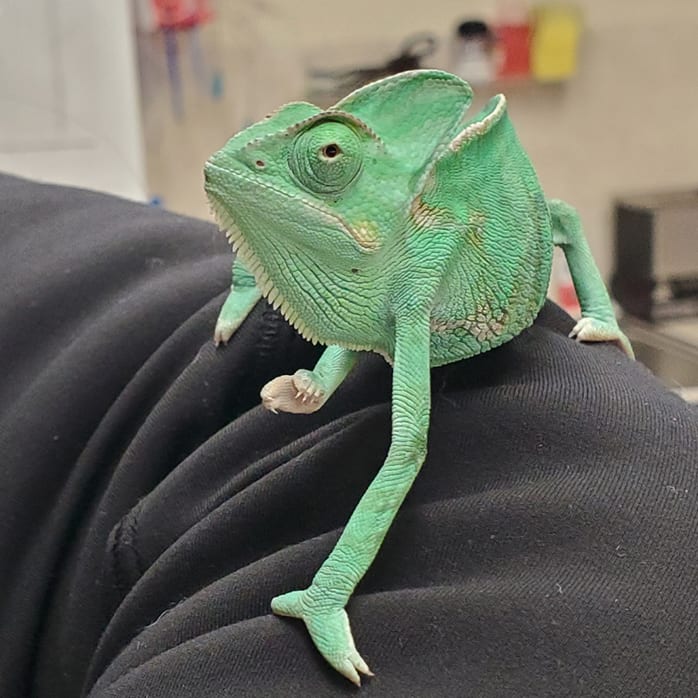
FAQs about Exotic Pets
At Companion Animal Hospital, we provide routine wellness and preventive care services for your bird or other exotic pet. Exotic pets can also be seen for medical or behavioral concerns.
-
What are some common reasons an exotic pet might need to see a veterinarian?
Exotic pets, including birds, reptiles, and small mammals, can sometimes hide signs of illness because they are instinctively prey animals. That’s why it’s important to watch for subtle changes and bring them in for a check-up if you notice anything unusual. Some common reasons to schedule a visit include:
- Changes in eating or drinking habits: Loss of appetite, sudden thirst, or difficulty swallowing can indicate health problems.
- Behavioral changes: Lethargy, hiding more than usual, aggression, or unusual vocalizations can signal that something isn’t right.
- Physical changes: Weight loss or gain, swelling, lumps, unusual droppings, feather or fur loss, or skin discoloration should be checked promptly.
- Respiratory signs: Sneezing, wheezing, or labored breathing may point to respiratory infections.
- Mobility issues: Trouble climbing, walking, or flying could indicate injuries or joint problems.
- Preventive care: Even if your pet seems healthy, yearly wellness exams are strongly recommended. These visits allow us to review husbandry needs, nutrition, and environmental conditions, and to detect early signs of potential health issues before they become serious.
-
What can I expect at my exotic pet's veterinary appointment?
Knowing what to expect at our veterinary hospital can make the visit easier for both you and your pet. To schedule routine appointments, please call our reception. For emergencies, we ask that you call ahead to alert our staff. When you arrive, plan to come about 15 minutes early to complete any necessary paperwork, and be sure to check in with our reception team; late arrivals may need to be rescheduled. While waiting, you can stay in the general waiting area or, if your pet becomes stressed, remain in your car; our staff will notify you when an exam room is ready.
Emergencies are prioritized based on severity and may occasionally take precedence over routine appointments. During your visit, a technician will first meet with you to discuss your concerns and review forms, followed by a veterinarian exam, a discussion of the treatment plan, and an estimate of fees. In some cases, your pet may be taken to our treatment area for a more detailed examination using magnification or specialized lighting. Payment is due at the time of service and can be made via cash, check, major credit cards, Apple Pay, or Care Credit. For exotic pets, care is available Tuesday through Friday from 9 a.m. to 5 p.m.
-
What kind of health care do you offer for avian and exotic pets?
At Companion Animal Hospital, we offer a variety of routine and specialized services to all of our exotic animal patients. These treatments can include
Routine Services:
- Wellness examinations
- Nutrition, husbandry, and enrichment consultations
- Routine blood tests
- Molecular and serologic diagnostic testing for infectious diseases
- Ferret and Rabbit vaccinations
- DNA sexing for birds
- Microchip placement for most species
- Routine grooming for birds (wing, nail, and beak trim) and reptiles
- Boarding
- Routine grooming for small mammals (fur mat removal, combing, shaving, nail trim, ear cleaning)
- Routine and emergency spay and neuter
- General (Domestic) health certificates
Specialized Services:
- Hospitalization (incubators, heat support, oxygen therapy)
- Diagnostic Imaging, including:
- Digital radiography
- Ultrasonography
- Endoscopy
- Corrective beak trims for birds and turtles/ tortoises
- Routine and advanced dentistry for rabbits, rodents, ferrets
- Hormone treatment: Lupron injections and Deslorelin implants
- Specialized and emergency surgery
- Orthopedic surgery
-
How can I make sure my exotic pet stays healthy?
Keeping your exotic pet healthy at home starts with providing the right diet, environment, and routine care. Feeding a species-appropriate diet is essential, as nutritional needs vary widely between birds, reptiles, and small mammals. A safe and enriched habitat is just as important. This includes proper enclosure size, correct lighting, temperature and humidity levels, and opportunities for natural behaviors like climbing, hiding, or perching. Cleanliness and good husbandry practices, such as regularly maintaining enclosures and water sources, also play a key role in preventing illness.
Exotics We Treat
At Companion Animal Hospital, we provide dedicated veterinary care for many types of exotic pets, including:
Birds
Parrots, finches, canaries, backyard poultry, and others.
Exotic Mammals
Ferrets, rabbits, pot-bellied pigs, guinea pigs, chinchillas, hamsters, gerbils, sugar gliders, hedgehogs, and others.
Reptiles & Amphibians
Lizards, turtles and tortoises, snakes, and others.